Why timing matters
A farm visit is shaped by what is growing, what needs doing and what the weather allows. Climate differs widely across Europe. Elevation, coastal conditions, soil, crop type and local practice also affect farm calendars. A broad season label cannot tell you whether a particular activity will happen on a particular date.
Use seasonal themes to choose what to ask about. Then confirm current availability with the farm’s official information. Do not assume a harvest, planting task or workshop takes place because it appeared in a previous year’s material.
Spring: planting and early growth
Spring can bring sowing, planting, soil preparation and the first stages of crop growth in some locations. A garden activity may introduce seeds, beds or plant care. Other farms may be busy with work that is unsuitable for visitors or difficult to predict. Ask whether an activity is a demonstration, a guided task or simply an outdoor walk.
Conditions can shift quickly. Ground may be wet, wind can make outdoor sessions uncomfortable, and daylight varies by region. Bring layers and footwear suitable for soft or muddy surfaces. Confirm whether an indoor alternative is available if the weather changes.
Summer: growing and field observation
Summer activities may focus on growing crops, monitoring plants, looking at pollinators or observing farm routines. Heat and sun exposure become practical factors. Check whether there is shade, drinking water access, rest opportunities and advice for hot conditions. The farm decides whether outdoor work is appropriate on the day.
Some produce may be ready at different times in different regions. A visible crop does not mean visitors can harvest it. Check the session description and ask what participants can handle, pick or take home. Use sun protection appropriate to your family and venue guidance.
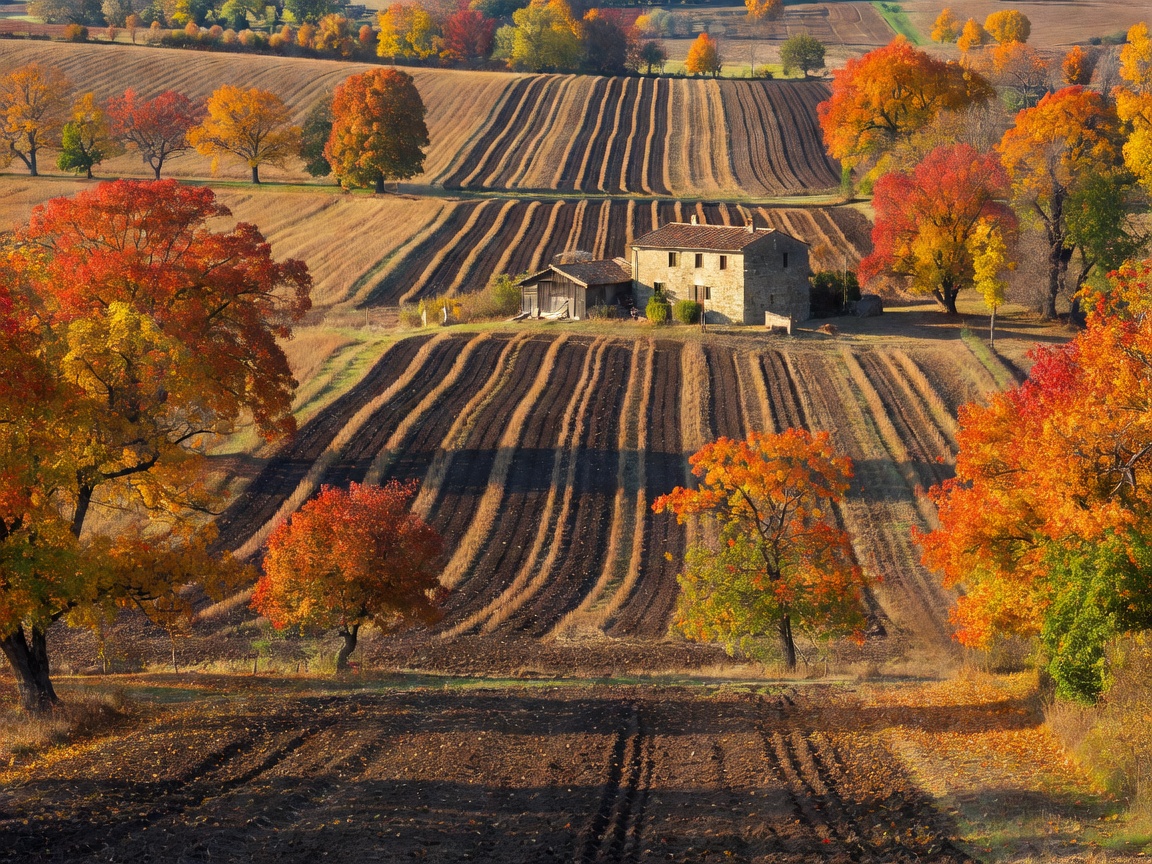
Autumn: harvest and processing
Autumn is often associated with harvest, but timing depends on crop and local conditions. A visit may involve observing work, collecting permitted produce, sorting crops or exploring what happens after harvest. Some tasks require tools or access restrictions. Follow staff directions and do not enter working areas without permission.
Harvest activity can be weather-sensitive. Rain, wind or a change in crop readiness may alter plans. Confirm arrangements close to travel and ask how the venue communicates changes. A processing or food activity may offer a useful alternative if field work is unavailable, but it should not be assumed unless listed by the farm.
Winter: maintenance and routines
Winter visits may focus on maintenance, storage, animal routines or indoor demonstrations, depending on the farm. Shorter daylight and cold or wet weather affect comfort and travel planning. Some farms reduce visitor activity or close during parts of the year. Check current opening and booking information directly.
Indoor options can make a visit more comfortable, but do not assume every venue has a suitable indoor space. Ask what happens if weather makes the planned activity unsafe or impractical. Clarify whether the visit can be changed, rescheduled or adapted under the venue’s own terms.
Compare seasonal choices
- Planting: can make growing visible; depends on soil conditions, crop calendar and farm workload.
- Growing-season observation: offers a chance to notice changes in fields; shade, heat and walking distance matter.
- Harvest: can connect crops with food; access and picking rules vary, and timing is not guaranteed.
- Winter routines: may work well with demonstrations or indoor learning; daylight and availability can be limited.
Clothing, weather and daylight
Check the forecast for the farm’s location, not just the nearest city. Wear layers and shoes suited to uneven ground. Pack rain protection when conditions call for it. For warm days, ask about shade and water. Consider how long the route takes and whether the group can manage it in the expected conditions.
Ask about indoor alternatives, toilet access, resting points and the farm’s cancellation or change process. If you are travelling a long distance, verify details before setting off. Weather can change, and farm work takes priority over visitor plans.
Good for
Families who want to see how rural work responds to the calendar. It suits visitors willing to adapt plans and compare what grows or happens at different times and places. A flexible mindset is useful; a seasonal theme is not a guarantee.
What to know
- Activities depend on climate, farm type, crop and current conditions.
- Do not rely on an old event listing or an assumed harvest date.
- Check the official farm source for current plans before travelling.
- Prepare clothing and transport plans for weather and daylight.
For hands-on making that may be indoors or outdoors, compare family farm workshops. For activity and access questions, use the visit planning guide.
Questions about this guide?
Send us a note. Check current seasonal plans with the farm itself.