Read the food path
A farm-to-food activity works best as a connected sequence. First, identify what grows or is raised. Next, consider when and how it is harvested. Then look at processing: cleaning, milling, cooling, fermenting, preserving or another step. Finally, connect those steps with a food that people prepare or eat.
The simple model is FIELD → HARVEST → PROCESS → FOOD. Not every visit demonstrates every stage. Some farms focus on a garden harvest. Others may explain grains, dairy concepts, fruit handling or baking. Ask what participants will actually see and do before you book.
Crops, grains, vegetables and fruit
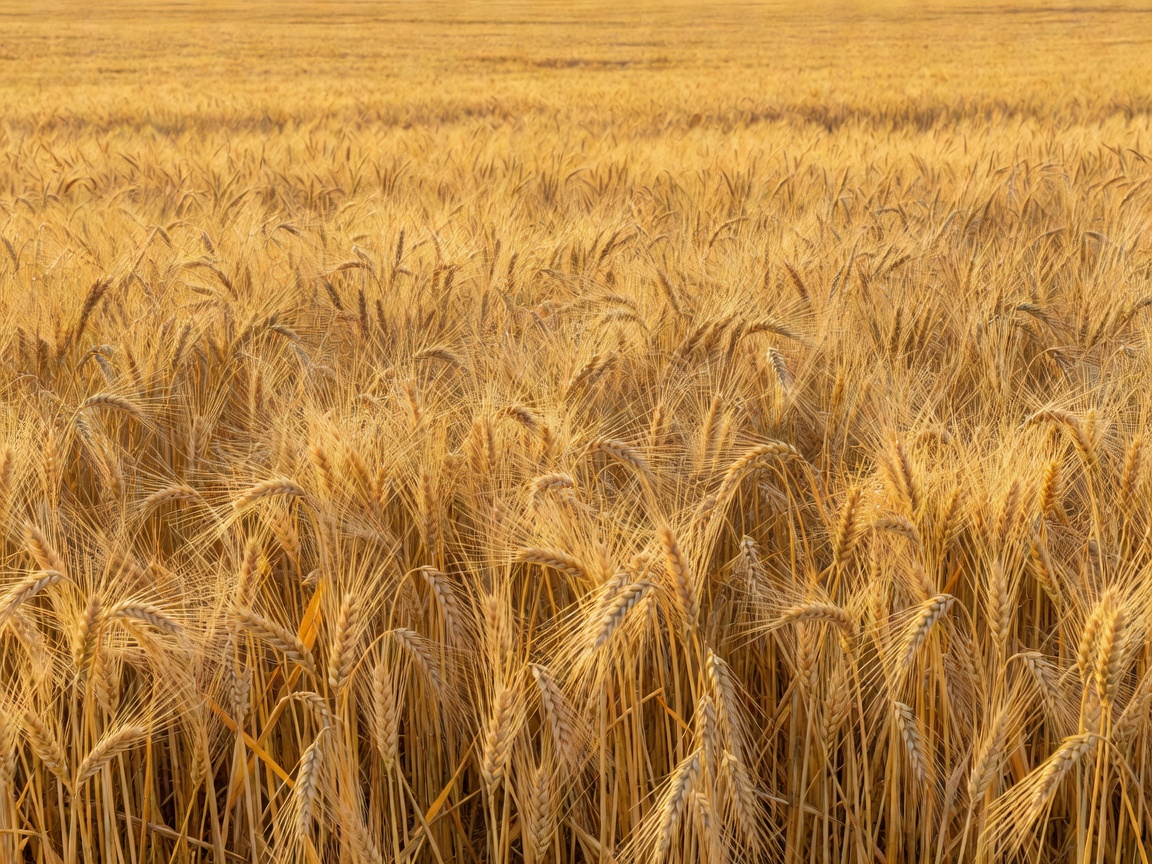
Crop activities can help children compare plant parts and notice how growing conditions affect farm work. A garden visit may involve vegetables or herbs. Orchard-focused activities may discuss fruit and timing. Grain learning can begin with seed heads and continue through a demonstration of how grain is separated or milled. The exact approach depends on the farm and the season.
Harvesting is not guaranteed simply because a crop is visible. A farm may protect a crop, use machinery, limit visitor access or have finished harvest for the year. If picking is offered, follow the venue’s instructions about which produce can be collected and how to handle it.
Dairy concepts and food preparation
A dairy-focused explanation may introduce milk as a farm product and describe stages between animal care and a finished food. Some venues may offer a food-preparation activity; others may present a demonstration only. Do not assume that visitors can enter production areas or sample products. Hygiene and operational rules can limit access.
Baking can connect flour, grain and ingredients with mixing, heat and finished food. Milling demonstrations can show how grain is transformed into flour. Preserving activities may explain drying, bottling or other methods used to keep seasonal ingredients. The practical details vary. Ask about participation, allergens, equipment and whether the activity includes tasting.
Compare common activity types
- Harvesting: direct contact with crops; seasonal and weather dependent. Check what visitors may pick.
- Milling or processing demonstrations: useful for following a transformation; may be observation-led for safety or operational reasons.
- Baking and preparation: hands-on when the venue offers it; ask about ingredients, allergens, age limits and adult participation.
- Preserving: shows how food can be prepared for storage; tools and heat may mean closer supervision.
A short activity may suit younger children or a first visit. An extended session can allow more steps, but needs a longer attention span and clear arrangements for food, handwashing and breaks. Choose based on the actual session description, not an assumption that every farm uses the same format.
Food, hygiene and access
Check whether families should bring food, whether refreshments are available and where eating is permitted. Ask about handwashing before food handling or eating. If anyone has allergies or dietary requirements, contact the venue directly. This guide cannot confirm ingredients, cross-contact controls or food suitability at a particular farm.
Consider clothing that can handle soil, produce stains and changing weather. Some activities may take place outdoors before moving indoors. Ask whether the route includes uneven ground, stairs or long periods of standing if these details affect your group.
Good for
Families who want to connect familiar foods with the crops, farm work and processing behind them. It can suit children who like practical tasks, tasting when provided, or seeing how ingredients change through making. Pick a session with clear information about participation and duration.
What to know
- Activities depend on the farm, product, season and operating rules.
- Harvesting or tasting is not automatically included.
- Ask about allergens, handwashing, equipment and adult supervision.
- Use the venue’s official information for current availability and access.
Compare the seasonal farm guide to understand timing. For a broader checklist covering food, facilities and booking, use farm visit planning Europe.
Need a planning pointer?
Contact us about the guide. Ask the farm directly about its products, activities and food arrangements.