Workshop formats
Family workshops may cover cooking, baking, gardening, crafts, nature observation, food preparation or agricultural demonstrations. A session might be led by a facilitator, built around a self-directed activity or combine explanation with making. The title alone may not show how much children can do. Read the full description and ask what participants will handle.
Some activities connect directly to farm work. Others use farm materials or themes to explore a related skill. Both can be worthwhile for a family visit, but they are different experiences. Check whether the session takes place on a working farm, in a visitor space or across both settings.
Guided or self-directed?
A guided workshop usually has a set sequence and someone explaining the task. This can help when tools, food handling or unfamiliar materials are involved. It may also have a fixed pace, group size or start time. Ask how much time is spent listening and how much is spent making.
A self-directed activity may let families move at their own pace. It can offer more choice, but instructions and staff support may be limited. Check whether the task needs adult help and whether materials are supplied. Neither style is automatically better. Choose according to your child’s confidence, attention and preference for structure.
Indoor and outdoor sessions
Indoor workshops can be useful in wet or cold weather and may provide access to tables, sinks or equipment. Confirm the room’s accessibility, seating and facilities if these matter to your group. Indoor does not necessarily mean quiet or suitable for every sensory need. Ask the venue what the setting is like.
Outdoor workshops can use gardens, fields or natural materials. They may involve uneven ground, soil, changing temperatures or a walk between activity points. Check footwear, weather arrangements, shade and whether the session moves indoors if conditions change. Do not assume a weather alternative exists unless the farm explains one.
Short and extended sessions
A short activity can fit into a wider visit or suit families who want to sample a topic. A longer session may allow participants to follow more steps, but it needs time for breaks, transitions and attention. Check the stated duration, arrival time and whether the activity ends at a fixed point. Do not plan a tight onward connection without allowing for the farm’s own schedule and rural travel conditions.
Ask whether late arrival affects participation, whether adults need to stay for the full session and what happens if a child needs a break. If you are booking several activities, check the walking distance and time between them.
Adult participation and child-led activity
Some sessions expect adults to join in. Others ask adults to supervise nearby while children lead the task. Confirm the role before booking, especially if several children are attending with one adult. Child-led does not mean unsupervised. Follow the farm’s instructions about tools, ingredients, animal areas and movement around the site.
Children’s abilities differ. Use age guidance as a planning reference, then ask about the actual task and any equipment involved. If a child has a support need, contact the venue to discuss what adaptations may be possible. Do not assume a general description confirms suitability.
Compare workshop types
- Cooking or baking: connects ingredients with preparation. Ask about allergens, handwashing, heat and adult roles.
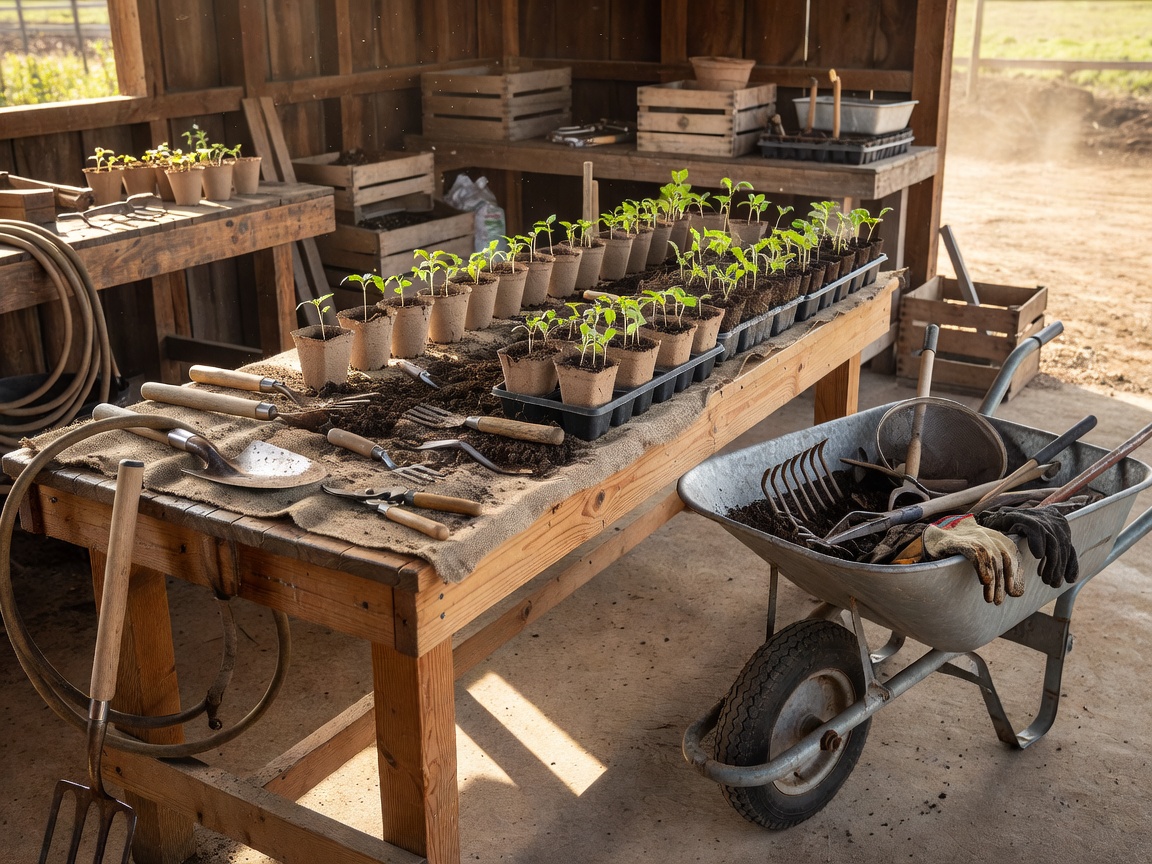
- Gardening: can involve planting or observing. Check season, soil conditions and whether tools are used.
- Craft and practical making: may use natural or farm-related materials. Ask what participants make and take home.
- Nature observation: focuses on noticing plants, habitats or seasonal change. Find out about route length and weather.
- Agricultural demonstration: explains a task or tool. Visitors may observe rather than operate equipment.
Good for
Families who prefer a defined activity with a practical focus. Workshops can suit children who like making, growing, preparing food or asking questions. Choose the delivery style that fits your group and leave enough time for travel, arrival and transitions.
What to know
- Check duration, start arrangements, age guidance and adult participation.
- Ask about equipment, ingredients, allergies, clothing and weather alternatives.
- Confirm access, toilet and handwashing arrangements directly with the venue.
- Learning experiences vary; avoid assuming a guaranteed outcome from a session title.
Compare ingredient-focused options in farm-to-food experiences or explore timing in seasonal farm activities.
Need help using the guide?
We can clarify guide content. Contact the farm for workshop details and bookings.