What families may encounter
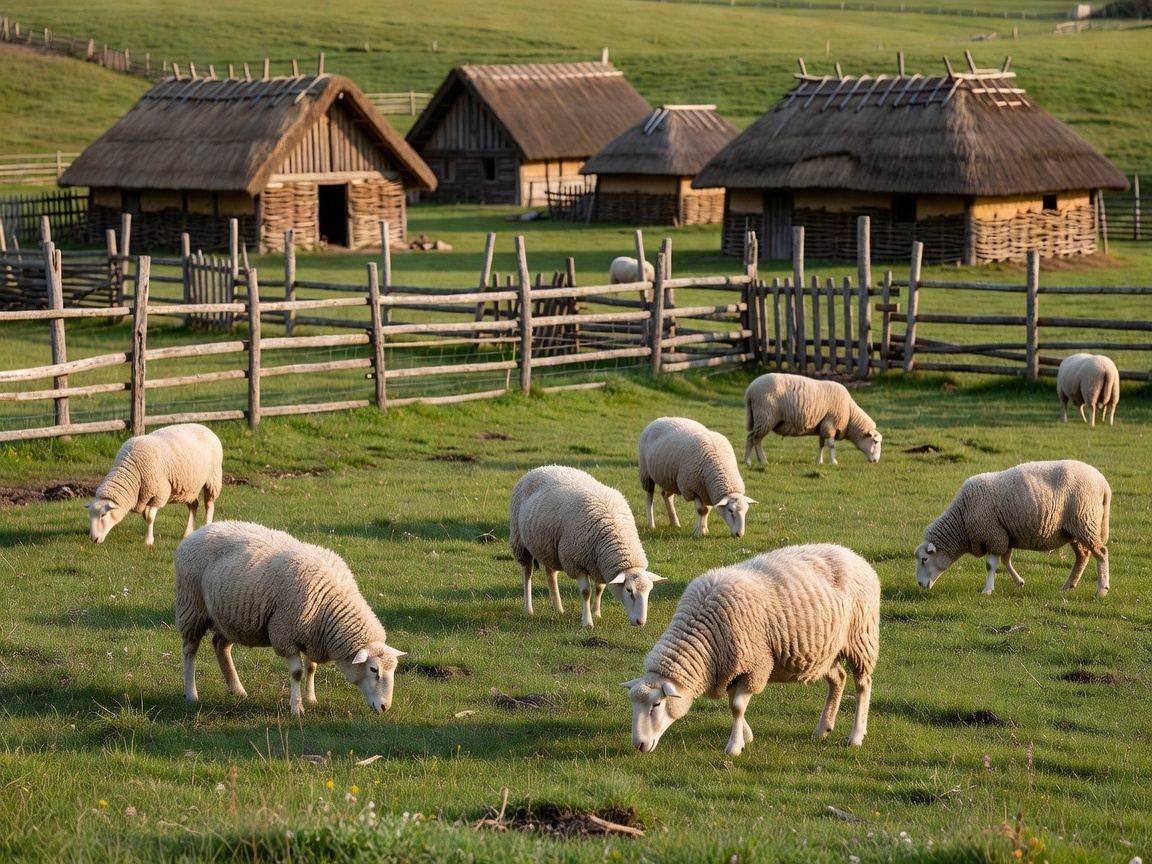
Farm animal learning can include cattle, sheep, goats, pigs, poultry, rabbits or working animals. The animals present depend on the farm’s purpose, local climate and management. A guide may explain feeding routines, shelter, water, bedding or daily observation. A demonstration can help children notice that animal care is regular work, not simply a visitor activity.
Observation is a useful starting point. Children can look at how animals move, rest and use their space. Adults can help them keep a suitable distance and listen to instructions. Avoid assuming an animal will be available for contact. Farms set their own boundaries, and those boundaries may change during the day.
Observation, demonstrations and feeding
Observation-led visits usually suit families who want a calm introduction. A staff-led care demonstration can add context about routines and equipment. Feeding activities, where offered and permitted, have specific rules. The farm may provide food, limit who can take part or decide that feeding is not suitable at that time.
Do not bring food for animals unless the venue specifically instructs you to do so. Do not enter pens, reach through barriers or handle an animal without direct permission and supervision. These precautions support both visitor safety and animal welfare. Follow staff directions even if an activity looked different in photographs or older information.
Age, supervision and welfare
Age guidance is venue-specific. Toddlers may prefer short periods of observation and clear boundaries. School-age children may be ready to ask questions about care routines. Older children can compare how housing, feed and daily tasks differ between animal types. These are planning considerations, not a guarantee that an activity suits every child.
An adult remains responsible for supervising children. Keep groups calm. Do not chase animals, shout at them or block their route away. A good visitor experience leaves animals room to move and rest. If a child is anxious, step back and continue observing from a comfortable distance.
Hygiene and practical preparation
Handwashing matters after animal areas and before eating. Check whether the farm provides handwashing points and whether they are accessible along the visit route. Use them as directed. Keep snacks separate from animal-contact areas. Wear closed, sturdy footwear that can handle uneven or muddy ground. Bring layers and weather protection, since animal areas may be outdoors or partly sheltered.
Ask in advance about indoor alternatives, toilet locations, access routes and any restrictions on bringing a stroller. If someone in your party has allergies, mobility needs or a health concern, contact the venue for its current guidance. This guide cannot assess a specific farm’s facilities or animal-contact rules.
Compare the formats
- Observation: lower-contact and often easier to adapt; children still need supervision and clear boundaries.
- Care demonstration: offers explanation of routines; timing and access depend on farm operations.
- Permitted feeding: hands-on when offered; follow the exact food, hygiene and supervision rules.
Indoor spaces can help when weather turns, but may not replace an outdoor activity. An outdoor visit can show animals in their usual setting, while rain, heat or cold can affect comfort and what is appropriate. Check the farm’s latest information rather than relying on a general seasonal assumption.
Good for
Families who want to introduce children to livestock, ask practical questions about animal care or practise respectful observation. It can also suit groups who prefer a clearly guided activity over unstructured contact. Match the format to children’s ages, attention spans and comfort around animals.
What to know
- Rules and animal contact vary by farm and may change on the day.
- Never handle or feed animals without explicit venue permission and supervision.
- Check footwear, handwashing, weather arrangements and access before travel.
- Leave animals space to move; stop an activity if staff ask visitors to step back.
There is no single standard for a farm animal visit. Look for clear visitor instructions and ask the venue directly if information is missing. Read the European farm visit checklist before booking, or compare family workshop formats.
Need help planning?
Send a question about using this guide. We cannot confirm a farm’s current rules on its behalf.